
Claim
Enter your name and email in the official Roman form.
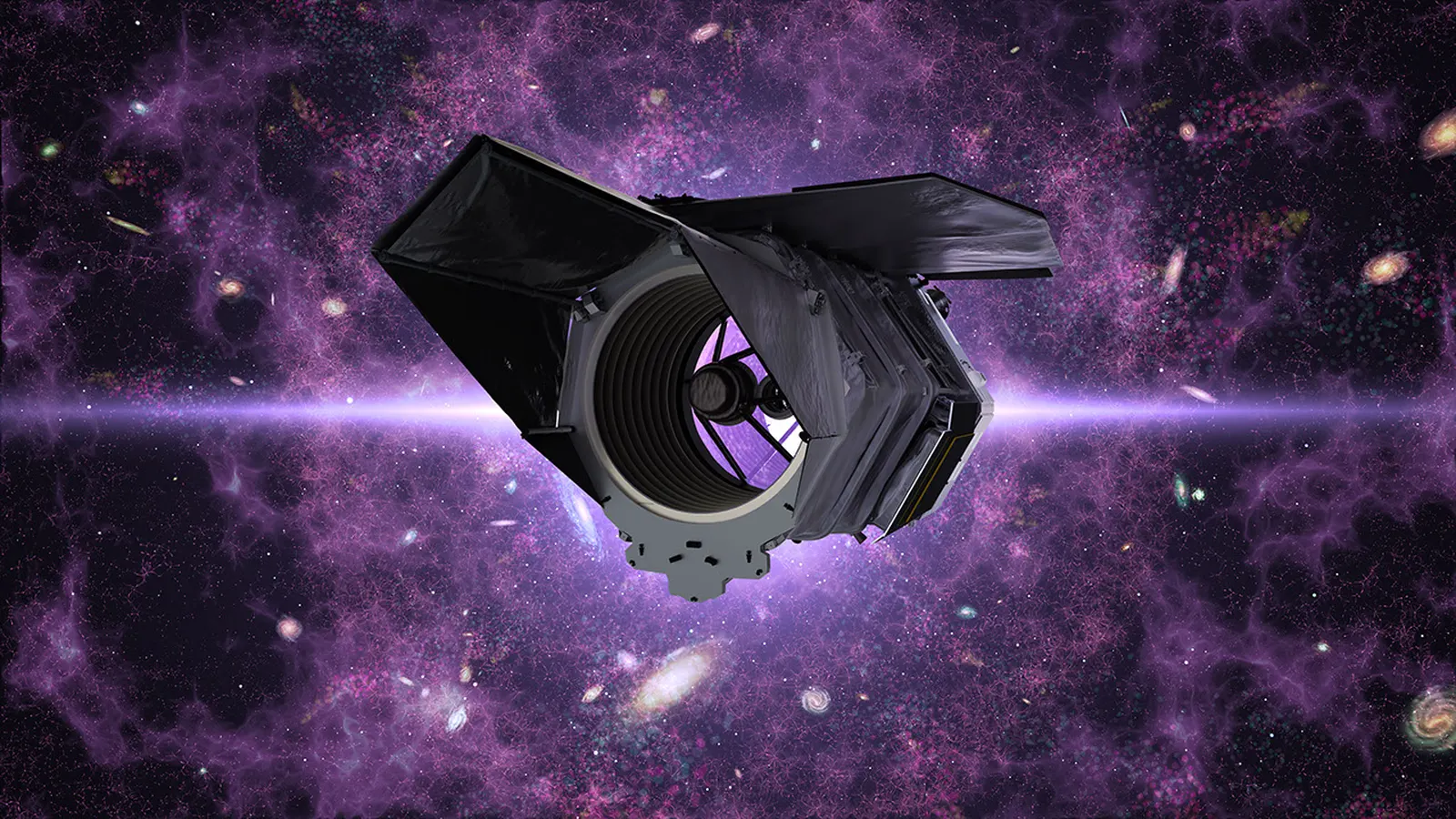
Claim a pixel on one of the first images from NASA's Nancy Grace Roman Space Telescope. Your pixel is a tiny address in a very large story about how we see the universe.
Official activity by NASA's Roman Space Telescope team
01 / MAKE IT YOURS
NASA's Adopt a Pixel experience turns a future Roman image into a shared public moment. Enter your details in the official form to claim your pixel and receive a certificate with its number.
Enter your name and email in the official Roman form.
Keep the certificate NASA provides with your pixel number.
Use the same email to look up your pixel again later.
02 / THE BIGGER PICTURE
The Adopt a Pixel idea is small by design. The mission behind it is not: Roman is being built to survey the infrared universe at extraordinary scale and help answer foundational questions in astrophysics.
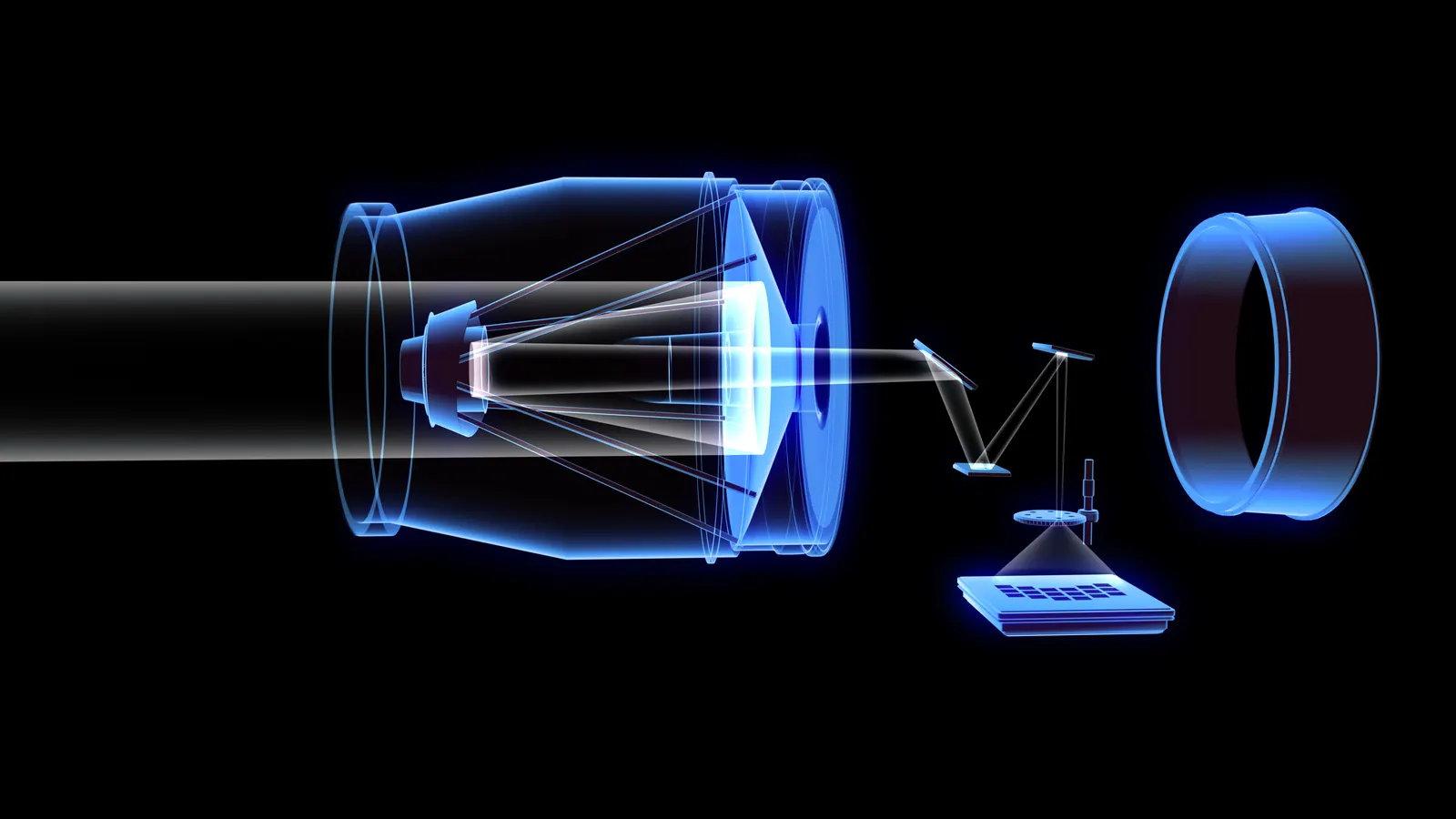 WIDE FIELD INSTRUMENT
Roman's Wide Field Instrument is designed to keep Hubble-like resolution while seeing an area of sky about 100 times larger than Hubble's infrared instrument.
NASA source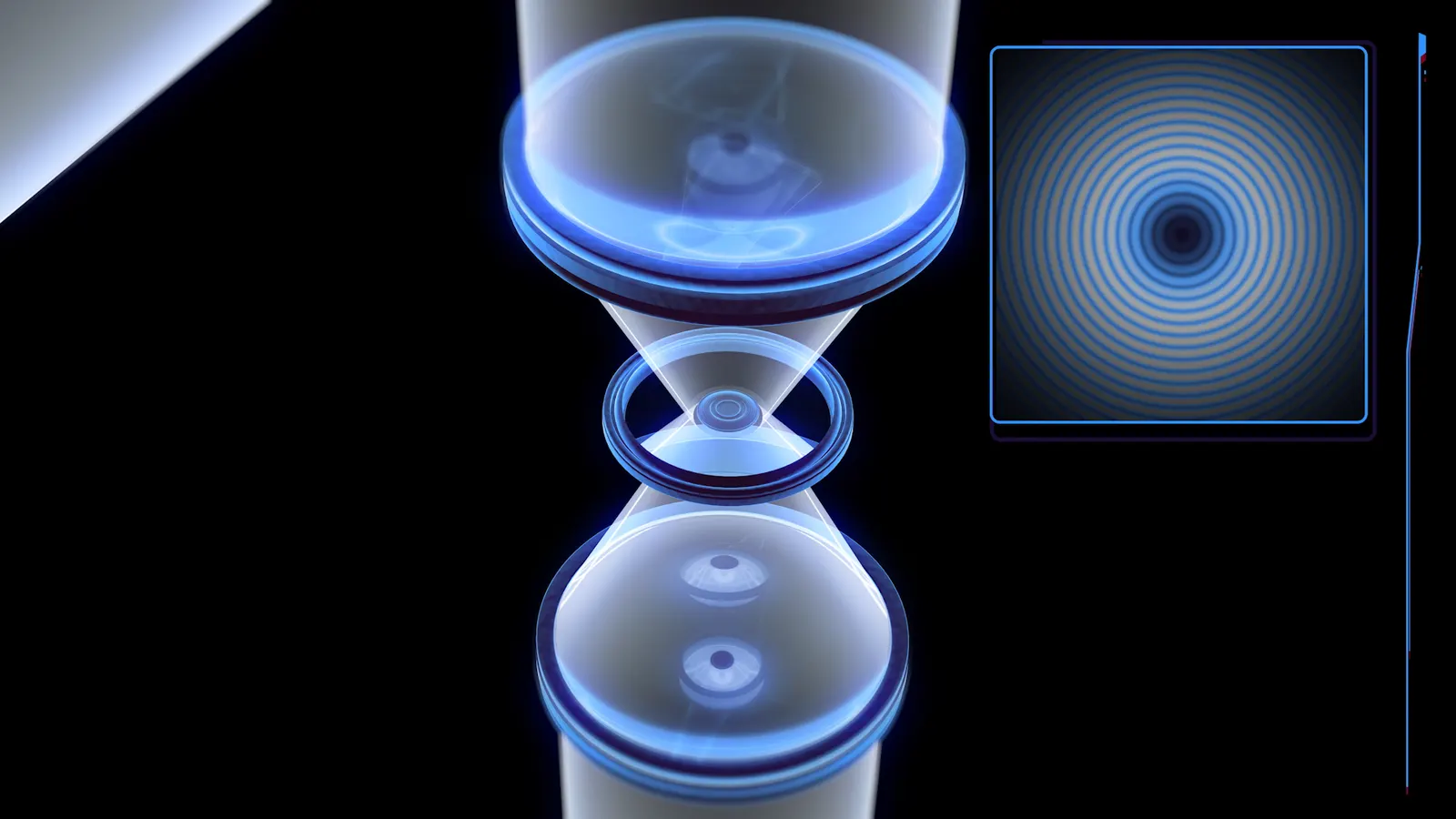 CORONAGRAPH INSTRUMENT
Roman's Coronagraph Instrument will demonstrate technology for blocking a star's glare so much fainter exoplanets and planet-forming disks can be studied.
NASA source03 / WATCH THE MISSION
Official NASA Goddard videos explain the observatory, its camera, and the science that gives this pixel its context.
A mission overview connecting Roman’s wide field to dark energy and exoplanet science.
View NASA source pageA short visual explanation of Roman’s giant infrared camera and its survey advantage.
View NASA source pageSee how masks, mirrors, and wavefront control help reveal faint worlds near bright stars.
View NASA source pageA concise introduction to the observatory and the questions it is designed to explore.
View NASA source page04 / QUICK ANSWERS
The practical details are simple. The meaning comes from knowing what Roman will do with the wider view beyond the activity.
It is a NASA public-engagement activity for the Nancy Grace Roman Space Telescope. You can claim a pixel on one of the first Roman images and join the story of the mission’s first light.
Use the official NASA activity linked above. The form asks for your first name, last name, and email address, and the NASA Roman site handles the claim.
NASA states that only one pixel can be assigned per email address. The same email is also how you retrieve your pixel later; family members using one shared address will share that pixel.
Yes. NASA says you will receive a certificate with your pixel number. You can print it and share it on social media after claiming your pixel.
Roman is built to study dark energy, dark matter, exoplanets, and infrared astrophysics. Its Wide Field Instrument will map huge areas of sky, while the Coronagraph Instrument will demonstrate direct-imaging technology for exoplanets.
No. In this activity, the pixel is a position in a future Roman image. It is a commemorative way to connect people with the mission’s first images, not a physical component or a target that you select.
SOURCE LOG / 2026-09-01
This page summarizes NASA material and adds mission context for visitors who want to understand the image behind the pixel.
YOUR TURN